
Rodent Remediation in Yakima: When an Abandoned Remodel Becomes a Category 3 Cleanup
Rodent waste remediation in Yakima requires more than pest control. See how Category 3 contamination is handled safely.
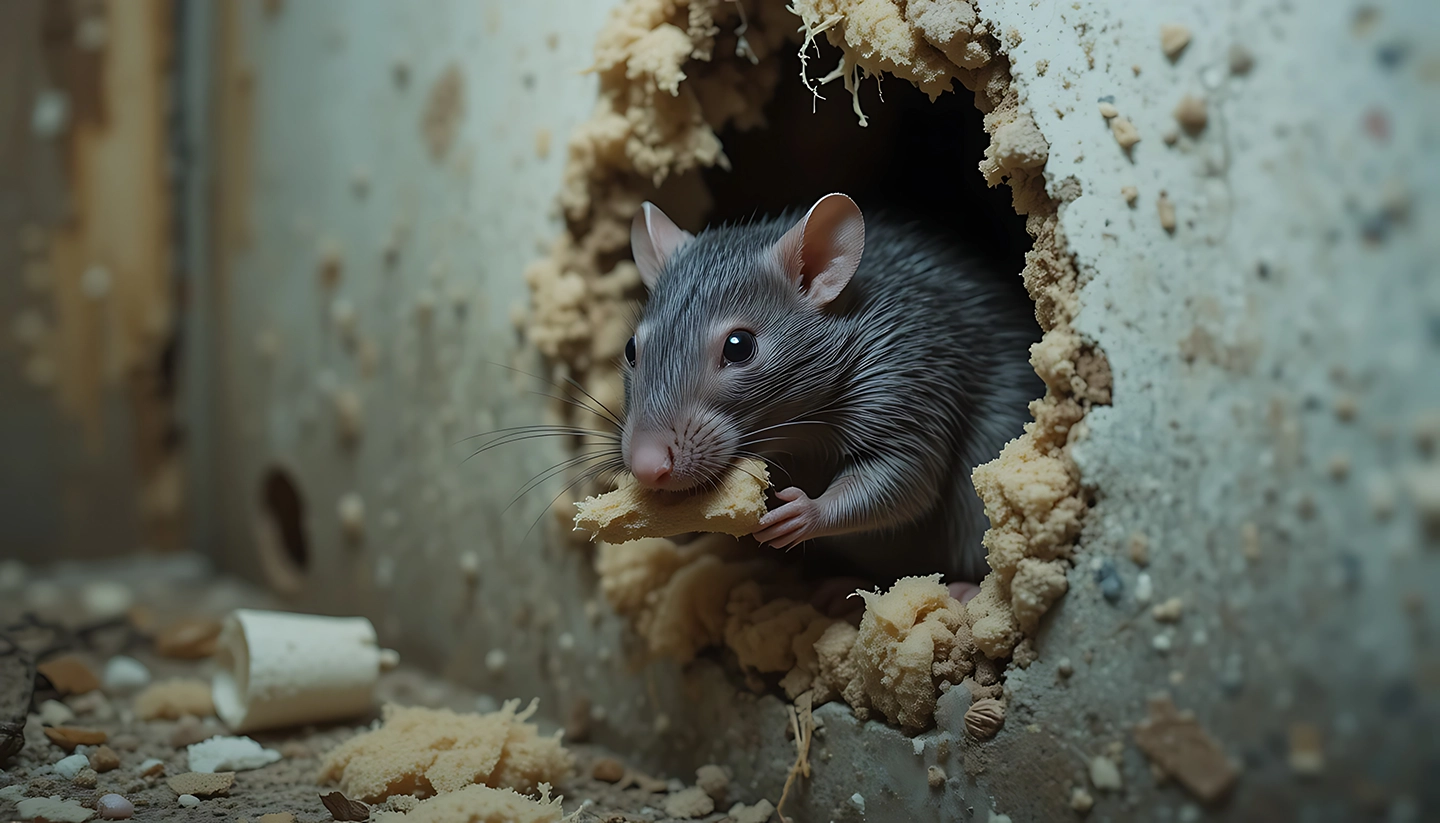
Rodent infestations don’t always start outside the home. In many cases, they’re triggered by interior construction gaps, unfinished remodel work, or broken separations between crawl spaces, basements, and living areas.
That’s exactly what we encountered on a recent rodent waste remediation project in Yakima — a situation that escalated from a remodel issue into a Category 3 contamination event requiring full professional remediation.
The Call: A Full Rat Infestation
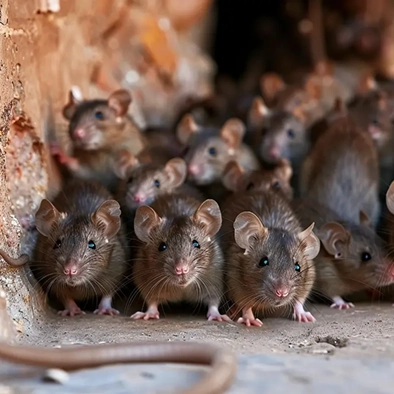
The homeowner contacted Peak Pro Home Services after discovering signs of widespread rat activity in their basement. This was not an isolated mouse issue. A group of rats had established regular access between an easy-to-reach crawl space and the interior of the home.
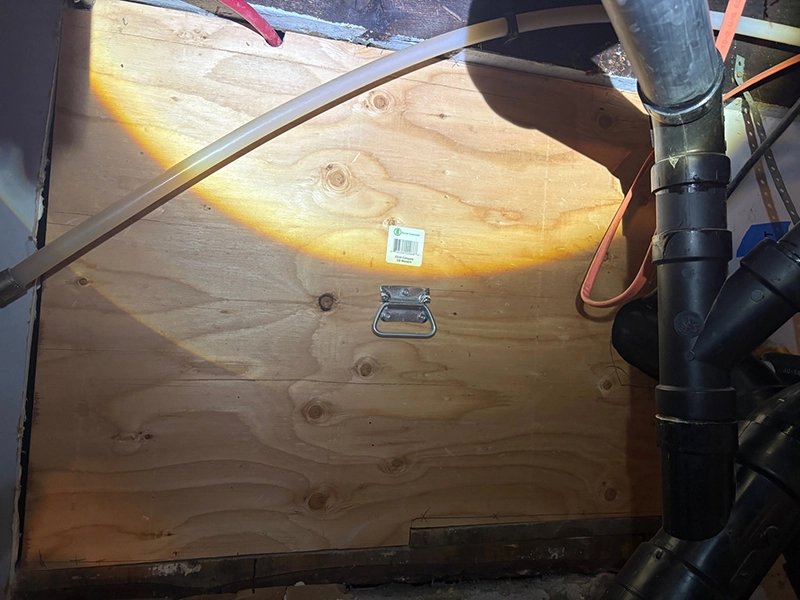
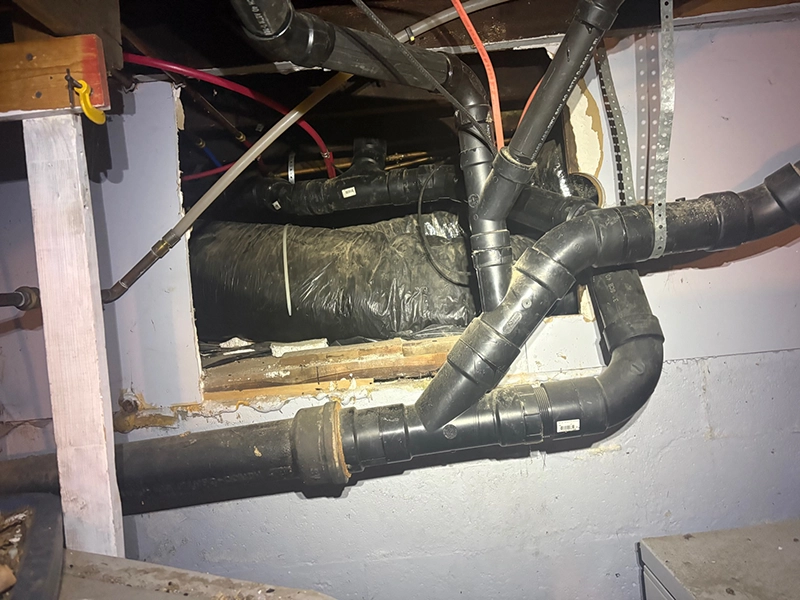
Compounding the issue, a previous contractor had abandoned a remodel mid-project and stopped communicating entirely. One of the most serious oversights left behind was a 2.5 ft × 3 ft opening cut into the basement drywall, directly adjacent to the crawl space.
That opening effectively became a protected travel corridor — a highway for rodents to move freely between spaces.
When Rodent Waste Becomes a Category 3 Hazard
Upon inspection, we determined that the basement met the criteria for Category 3 contamination under IICRC S500 and S520 standards due to extensive rodent droppings, urine contamination, and grossly affected contents.
Category 3 contamination is considered unsanitary and potentially hazardous to human health. In situations like this, surface cleaning alone is not sufficient. Most porous materials and stored belongings must be safely removed and disposed of.
Nearly all items stored in the basement had to be discarded.
A Three-Day, Standards-Based Remediation Approach
Because of the contamination level and complexity, this project required a structured, multi-day remediation plan.
Day 1: Containment and Safe Removal
The first priority was preventing cross-contamination to the rest of the home.
We installed a containment chamber between the basement door and exterior exit and set up a negative air machine, which ran continuously throughout the entire three-day project.
Our team wore full protective equipment, including Tyvek suits, P99 filtered respirators, rubber gloves, and protective goggles.
All grossly contaminated materials and belongings were carefully removed, bagged, and loaded directly into a dump trailer. Everything was then transported and disposed of at the appropriate waste facility.
Day 2: Exclusion and Structural Repairs
Once the contaminated materials were removed, we shifted focus to preventing future rodent access.
Due to extremely tight crawl space conditions, full perimeter access was not safely achievable. Instead, we concentrated efforts on the basement and known active entry points.
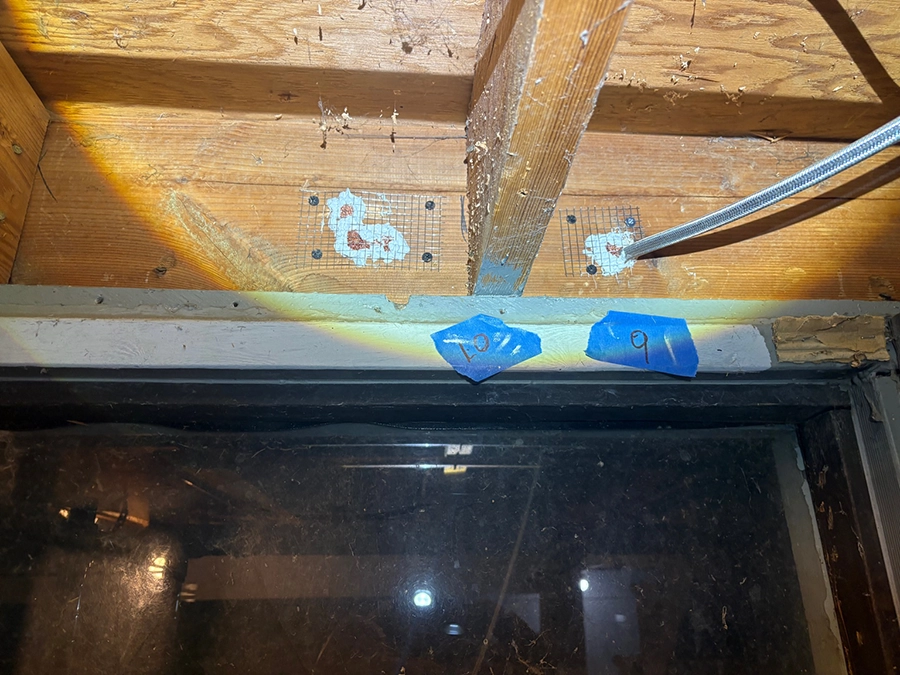
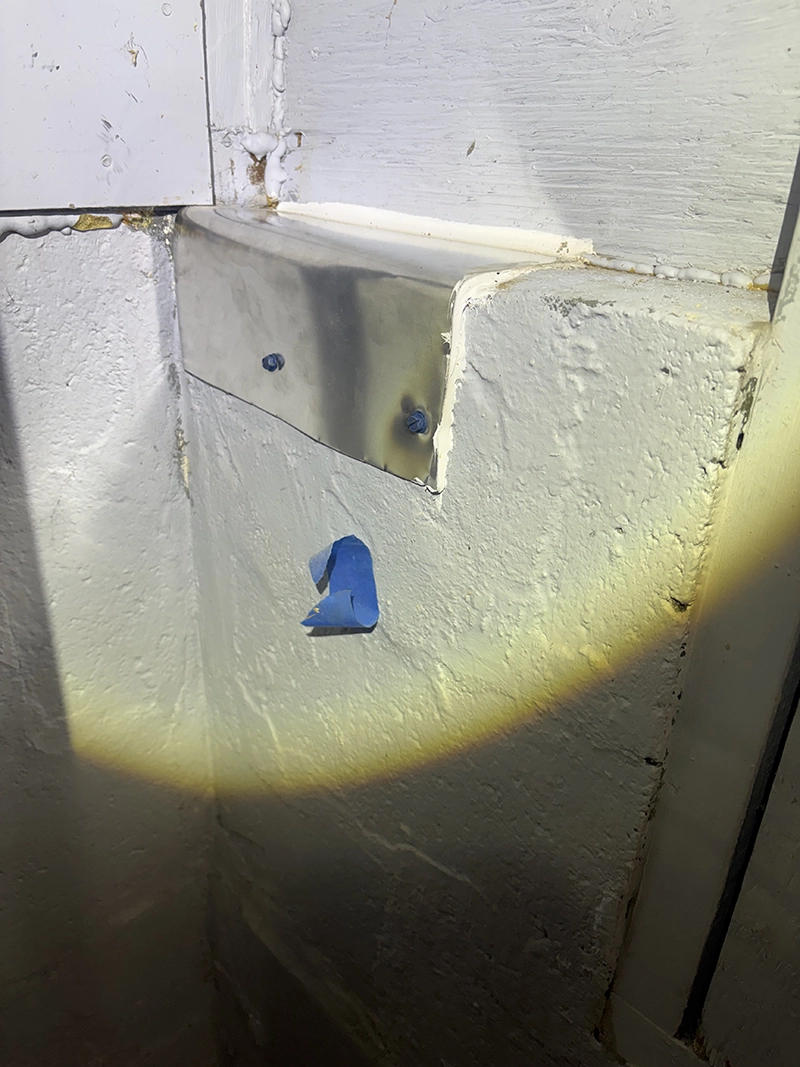
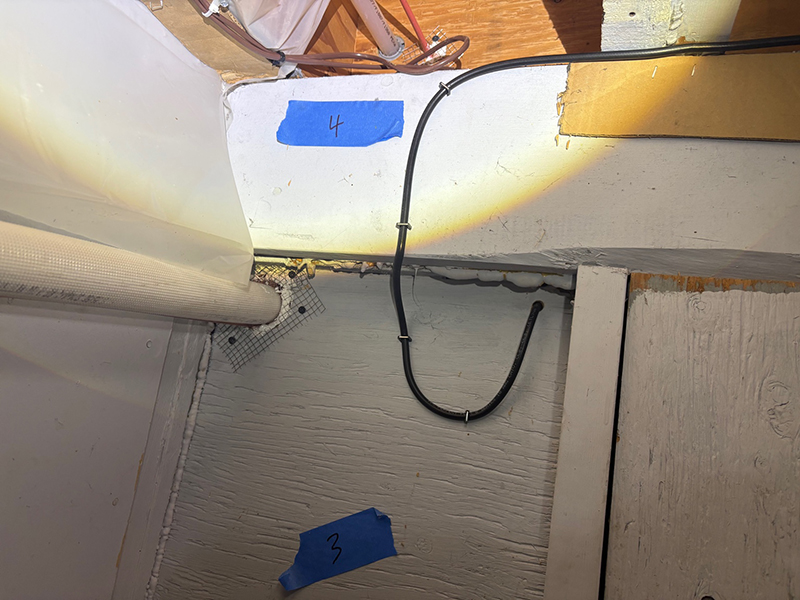
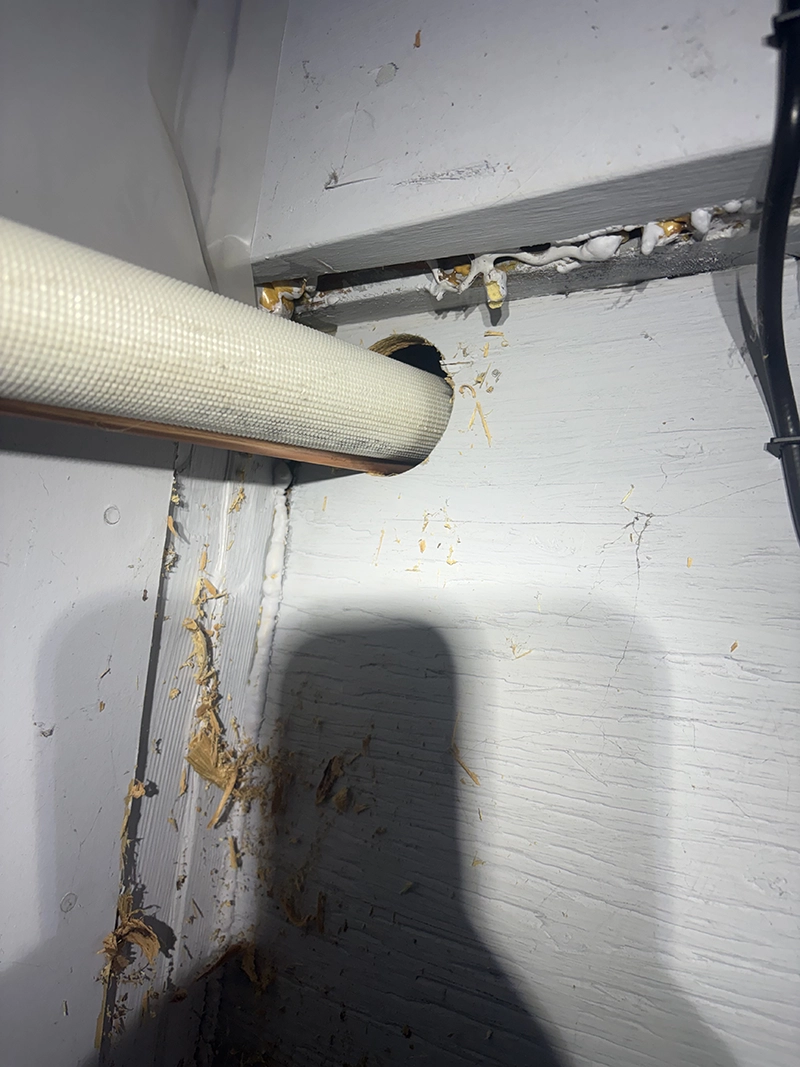
In total, we completed 21 separate exclusions, including:
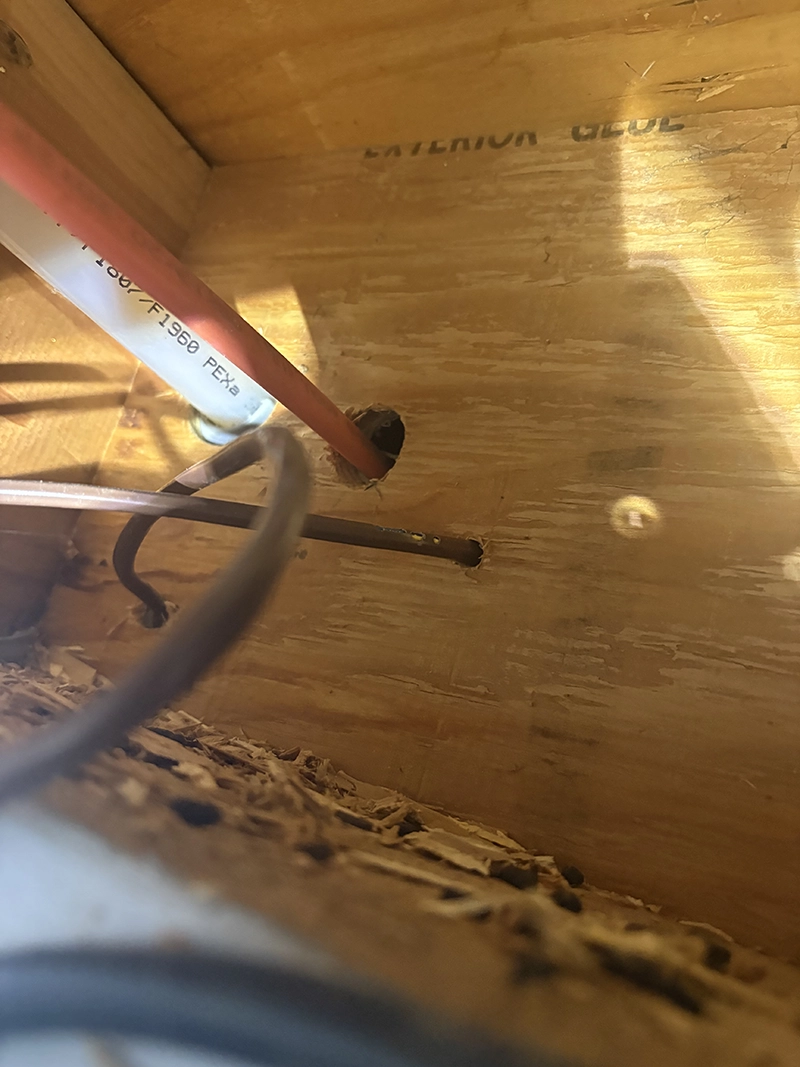
- Fully repairing and sealing the large drywall opening left by the prior contractor
- Reinforcing interior gaps and penetrations in the basement
- Two exterior exclusions:
- Dryer vent penetration
- Heat pump coil entry point
Each exclusion used durable, rodent-resistant assemblies, including ¼-inch stainless steel wire mesh, plywood, sheet metal backing, copper mesh, and professional-grade sealants to prevent chewing and re-entry.
Day 3: Cleaning and Restoration
With all access points sealed, the final day focused on restoring the basement to a functional, usable condition.
This included thorough wipe-down and cleaning of all remaining hard surfaces, removal of residual contamination, and a final inspection to ensure the space was safe, sealed, and ready for future use.
Why Abandoned Remodels Create Serious Rodent Risks
This project highlights a common but often overlooked issue: unfinished or abandoned construction work creates ideal rodent access.
Open drywall, exposed framing, and unsealed transitions between crawl spaces and basements are among the most dangerous vulnerabilities in a home.
One large opening can be far more damaging than multiple small gaps.
Professional Rodent Remediation Is More Than Pest Control
Rodent remediation isn’t just about removing animals. In cases involving contamination, it requires:
- Knowledge of IICRC standards
- Proper containment and air control
- Full personal protective equipment
- Safe disposal practices
- Durable, long-term exclusion work
Cutting corners can leave health risks behind — or allow rodents to return.
Need Rodent Waste Remediation in Yakima?
Peak Pro Home Services provides professional rodent waste remediation, exclusion, and contamination cleanup in Yakima and surrounding Central Washington communities.
Whether you’re dealing with an active infestation, contamination concerns, or vulnerabilities created by past construction work, we can help restore your home safely and correctly.
Contact Peak Pro Home Services today to schedule an assessment and protect your home from further damage.
Frequently Asked Questions
Is rodent waste considered hazardous?
Yes. Rodent droppings, urine, and nesting materials are considered biologically hazardous and can pose health risks when disturbed or aerosolized, especially in enclosed spaces like basements and crawl spaces.
Why isn’t pest control alone enough?
Pest control removes the animals, but it does not address contamination. Professional rodent waste remediation is required to safely remove contaminated materials, control exposure, and restore affected areas.
What makes rodent waste a Category 3 issue?
When rodent waste is widespread, it meets criteria for unsanitary conditions due to gross contamination. In these cases, porous materials often must be removed and disposed of rather than cleaned.
Do you remove contaminated insulation and belongings?
Yes. Heavily contaminated insulation and stored contents are typically removed and disposed of to fully eliminate odors, health risks, and ongoing contamination.
How do you prevent rodents from coming back?
In addition to cleanup, we perform exclusion work using rodent-resistant materials to seal entry points and reduce the risk of re-infestation.
Do you work with homes affected by unfinished or abandoned remodels?
Yes. Unfinished construction and open wall or crawl space transitions are common causes of rodent access. We regularly remediate contamination caused by abandoned or poorly sealed remodel work.


Contact us
Let's work together!
Book your free phone consultation or request an in-home assessment today.

Contact us
info@peakprohomeservices.com

We serve
Our recent articles

How to Make a Yakima Home Safe for a Loved One Coming Home After a Hospital or Rehab Stay
Articles

The Cost of Coming Home: Aging in Place vs. Skilled Nursing or Assisted Living
Articles
Rodent Removal and Cleanup in Yakima: How Peak Pro and Jerry's Pest Service Work Together
Articles