
How to Make a Yakima Home Safe for a Loved One Coming Home After a Hospital or Rehab Stay
Home modifications that let a Yakima senior safely return home after a hospital or rehab stay, from ramps to showers.
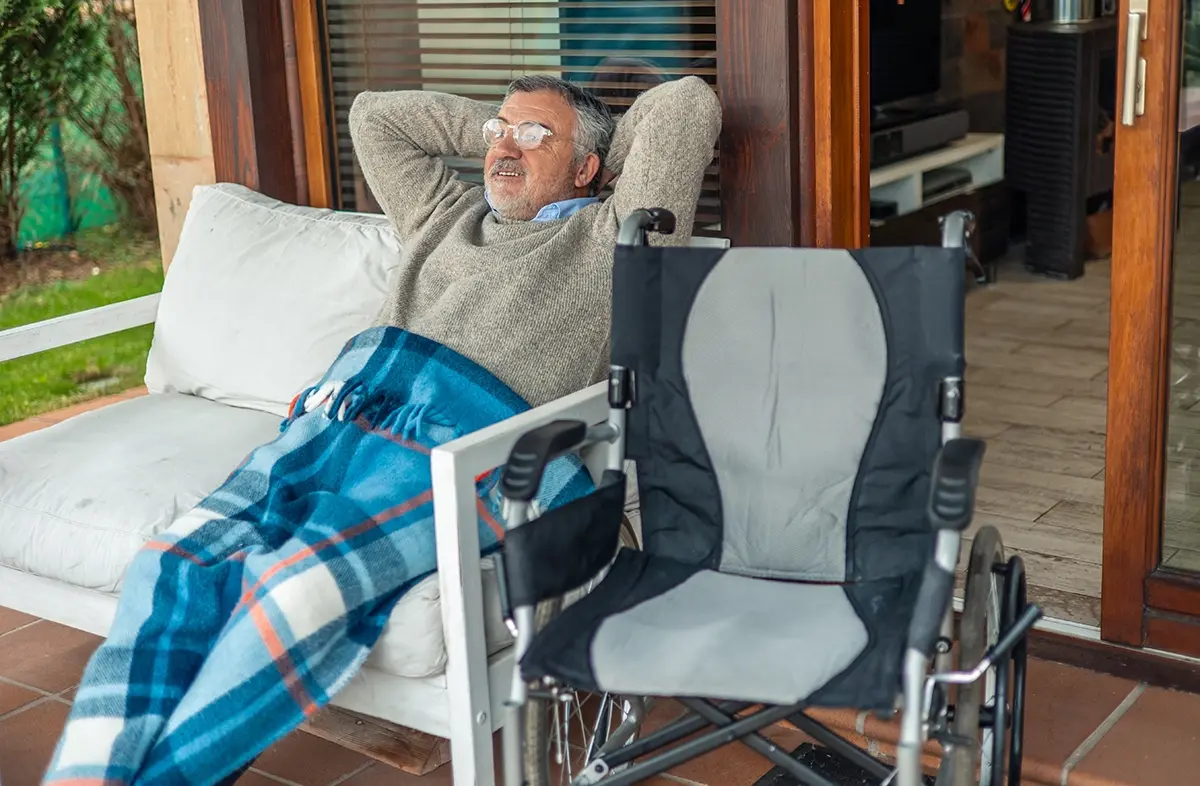
Bringing a parent or spouse home from the hospital or a rehab stay in Yakima usually means making a few changes to the house first, so the front steps, the bathroom, and the stairs stop being hazards. The fastest wins are a ramp or threshold at the entry, a no-step walk-in or roll-in shower with grab bars, and a stair lift if the bedroom is upstairs. Plan these before discharge day, because they take measuring and scheduling, and a safe return is far cheaper than another fall or an extended stay in care.
Peak Pro Home Services installs these modifications across Yakima and the Yakima Valley. Owner Josh Shoemaker is a Certified Aging-in-Place Specialist (CAPS) and a licensed, bonded general contractor, and every job starts with a free in-home assessment so the plan fits the person and the house.
What home changes make it safe for someone to come home after a hospital or rehab stay?
The changes that matter most are the ones that remove a fall risk between the car and the bed. For most Yakima homes that means four areas: the entry, the bathroom, the path between floors, and the fixtures the person uses every day. You rarely need all of them. You need the ones that match how the person moves now, and how they are likely to move over the next year.
- Wheelchair ramps. A ramp or a low threshold ramp at the main entry so a walker, wheelchair, or power chair can get in and out without stairs. We install EZ Access modular and portable ramps, and we also rent ramps when the need is short term.
- Walk-in and roll-in showers. A low or zero threshold shower removes the hardest part of a bathroom, which is stepping over a tub wall. It is the single change families ask for most.
- Grab bars and handrails. Anchored into studs at the shower, the toilet, and along hallways and steps. Small change, large drop in fall risk.
- Stair lifts. If the bedroom or the only full bathroom is upstairs, a stair lift keeps the whole house usable. We install Harmar straight stair lifts with a licensed elevator technician.
- ADA and comfort-height toilets. A taller toilet and accessible fixtures make sitting and standing safer and easier.
- Vertical platform lifts. For a porch or raised entry that is too high for a ramp, a platform lift carries a wheelchair straight up in the space a ramp cannot fit.
Which modifications should come first?
Start with getting in the door, then the bathroom, then the stairs. That order follows the person's day: they have to get inside before anything else matters, the bathroom is where most home falls happen, and the stairs decide whether they can reach their own bed. Here is how to work through it before discharge day.
- Talk to the discharge planner or occupational therapist about how the person will be moving at home: walker, wheelchair, or power chair, and whether that is likely to change.
- Fix the entry first. Measure the rise at the main door and choose a ramp, a threshold ramp, or a platform lift based on that height and the space in the yard.
- Make the bathroom safe next. Convert the tub to a walk-in or roll-in shower, add grab bars at the shower and toilet, and raise the toilet to comfort height if needed.
- Solve the stairs. If the bedroom or bathroom is upstairs, add a stair lift so the person is not stuck on one floor.
- Schedule the installs to finish before the person comes home, not after. Give the work a week or two of lead time where you can.
How soon should you start planning?
Start as soon as a hospital or rehab discharge is on the table, not the week of. Ramps, showers, and stair lifts all need measuring, and some parts are ordered, so a few days of lead time keeps the home ready on the day the person arrives. When a discharge date moves up, call us and say so; we prioritize return-home work because the alternative is a family stuck without a safe option.
A local note on ramps and lifts
One detail Josh checks first on every entry is the rise, the total height from the ground to the door. A safe ramp needs roughly a foot of length for every inch of that rise, so a porch four steps up can call for a ramp close to forty feet, which many Yakima yards do not have room for. When that happens, a vertical platform lift does the same job in the footprint of the platform itself. Knowing that before any work starts is the difference between a ramp that works and one that never gets used.
Real talk: what we do and what we don't
We build the home modifications. We do not perform the medical or functional assessment; your discharge planner or occupational therapist does that, and we build to their plan. Not every home fits every solution either. If the yard cannot take a safe ramp, we will tell you and point to a platform lift. If a bathroom is too small for a roll-in shower, we will show you what will actually fit. You will hear which option works before we start, not after. Peak Pro is licensed, bonded, and insured, and the assessment is free, so getting a straight answer costs you nothing.
Get a free in-home assessment in Yakima
If someone you love is coming home soon and the house is not ready, call Peak Pro Home Services at (509) 537-1842 for a free in-home assessment. We will walk the entry, the bathroom, and the stairs with you and give you a clear, set-priced plan. See all of our home accessibility services, our home services for seniors, and the areas we cover around Yakima. For more on staying home safely, read aging in place versus skilled nursing in Yakima and home maintenance for seniors in Yakima.
Frequently asked questions
How fast can you install a ramp or shower before someone comes home?
It depends on the parts, but a straightforward ramp or grab bar install can often happen within a few days of the assessment, and a shower conversion or stair lift needs a bit more lead time for ordering and scheduling. Tell us the discharge date and we will tell you honestly what is possible.
Do you do the home safety assessment yourself?
We do a free in-home assessment to plan and price the modifications. The medical and functional evaluation of the person comes from your discharge planner or occupational therapist, and we build to that plan.
Will Medicaid or other programs help pay for modifications?
In Washington, some home modification costs can run through Aging and Long-Term Care programs. Start with your local Aging and Disability Resource Center to check eligibility; a case manager there can explain what is covered and connect you with approved contractors.
What if a wheelchair ramp will not fit our yard?
Then a vertical platform lift usually solves it. It carries a wheelchair or scooter straight up a porch or raised entry in the space a long ramp would need, and we measure to confirm it fits before any work starts.
Do you serve areas outside Yakima?
Yes. We serve Yakima, Selah, Union Gap, Sunnyside, Toppenish, Ellensburg, and the wider Yakima Valley and Central Washington.
About the author: Josh Shoemaker is the owner of Peak Pro Home Services in Yakima, a Certified Aging-in-Place Specialist (CAPS) and a licensed, bonded, and insured general contractor with over 20 years of project and construction experience.


Contact us
Let's work together!
Book your free phone consultation or request an in-home assessment today.

Contact us
info@peakprohomeservices.com

We serve
Our recent articles

The Cost of Coming Home: Aging in Place vs. Skilled Nursing or Assisted Living
Articles

Rodent Removal and Cleanup in Yakima: How Peak Pro and Jerry's Pest Service Work Together
Articles
Why Yakima Rental Properties Need Regular Home Safety Assessments
Articles